
Hormonal Imbalance: 10 Signs Your Body Gives
Discover the 10 key signs of hormonal imbalance and understand how your body communicates changes in energy, mood, sleep, and weight. Learn how to naturally restore hormonal balance through practical, science-based strategies involving nutrition, sleep, exercise, and stress management, supported by
HORMÔNIOS
Escolha Mast
3/28/20263 min read
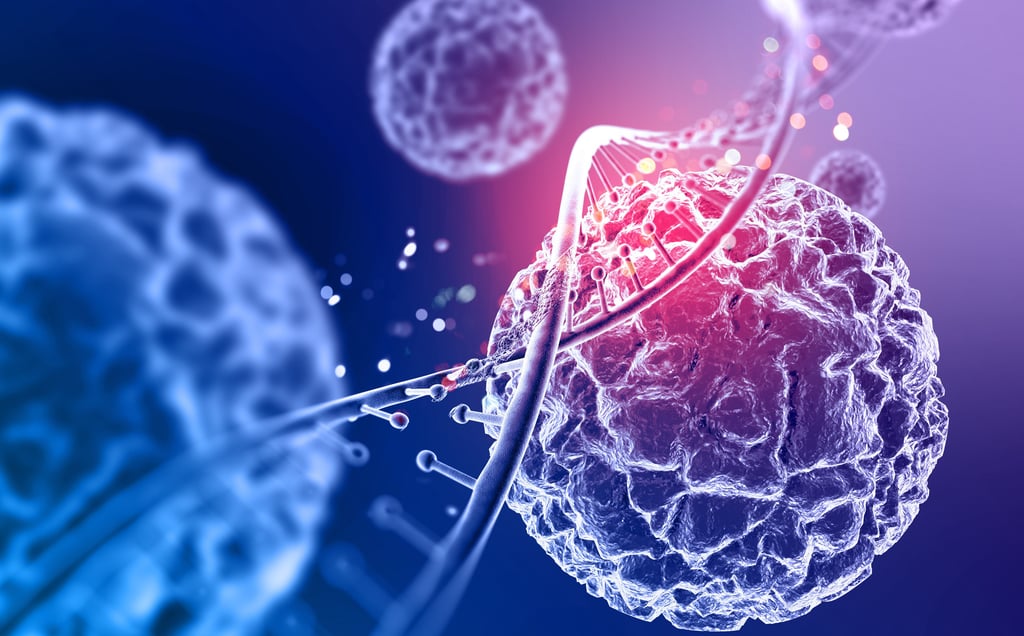
Your body works like a precise machine. And hormones are the messengers that control almost everything: energy, sleep, mood, metabolism, and even your weight.
When there is an imbalance, your body starts sending signals. The problem is that these signs are often ignored or mistaken for everyday fatigue.
According to the World Health Organization, hormonal changes are directly linked to metabolic diseases, emotional disorders, and reduced quality of life.
That’s why understanding hormonal balance is no longer just a medical topic—it’s essential for living well.
🧬 What is hormonal balance?
Hormonal balance happens when your body maintains proper levels of hormones such as:
insulin
cortisol
testosterone
estrogen
progesterone
thyroid hormones
These hormones work together as an integrated system. In other words, when one changes, others are affected as well.
Modern medicine now views this as a “hormonal ecosystem,” rather than isolated issues.
📊 A study published in the Journal of Clinical Endocrinology & Metabolism shows that even small hormonal imbalances can significantly affect metabolism and mood (Rizza et al., 2022).
⚠️ 10 signs of hormonal imbalance you shouldn’t ignore
If you notice some of these signs, it may be time to investigate:
1. Constant fatigue
Even after sleeping, you wake up tired.
2. Weight gain or difficulty losing weight
Especially around the abdominal area.
3. Sleep disturbances
Insomnia or very light sleep.
4. Anxiety or frequent irritability
Often linked to high cortisol levels.
5. Hair loss
May indicate thyroid or sex hormone issues.
6. Low libido
Common in both men and women.
7. Difficulty concentrating
That “mental fog” feeling.
8. Acne or skin changes
Often related to excess androgens.
9. Menstrual cycle changes
In women.
10. Strong sugar cravings
Closely related to insulin.
📊 According to the Endocrine Society, more than 30% of adults experience some degree of hormonal imbalance during their lifetime, often without diagnosis.
🧠 What does modern medicine say about hormones?
The approach has evolved significantly in recent years.
Before:
Hormones were treated individually
Now:
The body is analyzed as an integrated system
Lifestyle, sleep, and nutrition are considered
📊 A report from Harvard Medical School highlights that up to 70% of hormonal changes are linked to lifestyle factors rather than disease.
In other words: your lifestyle has more impact than you think.
🌿 How to naturally regulate your hormones (science-based)
Now comes the most important part: what you can do in practice.
💤 1. Prioritize quality sleep
Poor sleep disrupts key hormones such as:
cortisol
melatonin
testosterone
📊 A study from the University of Chicago found that sleeping less than 6 hours can reduce testosterone levels by up to 15%.
✔️ Practice:
Sleep 7–9 hours per night
Avoid screens before bed
🥗 2. Take care of your diet
Your diet directly impacts insulin and metabolism.
✔️ Focus on:
whole foods
proteins
healthy fats
fiber
❌ Avoid:
excess sugar
ultra-processed foods
📊 According to the American Diabetes Association, high-sugar diets can increase the risk of insulin resistance by up to 40%.
🏃 3. Exercise regularly
Physical activity regulates multiple hormones at once:
improves insulin sensitivity
reduces cortisol
increases testosterone
✔️ Ideal:
strength training + cardio
📊 Studies from the American College of Sports Medicine show that regular exercise improves hormonal balance within weeks.
😌 4. Manage stress
Chronic stress raises cortisol, disrupting the entire system.
✔️ Effective techniques:
deep breathing
meditation
taking breaks throughout the day
📊 The American Psychological Association states that chronic stress is one of the leading causes of hormonal imbalance today.
🌞 5. Sun exposure and vitamin D
Vitamin D acts as a hormonal regulator.
✔️ Practice:
15–20 minutes of sun exposure daily
📊 Adequate vitamin D levels are associated with improved hormonal production (Holick, 2023).
⚖️ 6. Avoid quick fixes without guidance
Improper hormone use can lead to serious risks.
Examples:
unnecessary hormone replacement
aesthetic use without supervision
📊 The Agência Nacional de Vigilância Sanitária warns about the rise in complications linked to improper hormone use.
📊 Practical summary (start today)
If you want to improve your hormones, focus on:
better sleep
real, whole foods
regular exercise
stress reduction
sunlight exposure
Simple—but extremely effective.
🧭 Conclusion: your body gives signals—you just need to listen
Hormonal imbalance doesn’t happen overnight. It develops over time through your habits.
The good news? The path back also depends on your daily choices.
Small changes can lead to powerful results—naturally, safely, and sustainably.
🚀 Start transforming your health today
You don’t need to change everything at once. Start with one simple step: sleep better tonight or improve your diet tomorrow.
With consistency, your body responds—and so do your hormones.
👉 Your health is in your hands.
Thank you for taking time to care for your health.
Take care, keep improving daily, and see you in the next article.
ESCOLHA MAST
Escolha Mast is an informative website that publishes blog posts and also promotes products that can help you in your quest for health and well-being.
CONTACT INFORMATION
Email: escolhamast@gmail.com
Phone: +55 068 99981-0331
© 2025. All rights reserved to Escolha Mast.
Choose to live well!