
I Have Diarrhea, What Should I Do?
I have diarrhea, what should I do? Learn the main causes, find the best foods, use a quick home remedy, and discover safe ways to relieve symptoms effectively.
DOENÇA
Escolha Mast
11/30/20253 min read
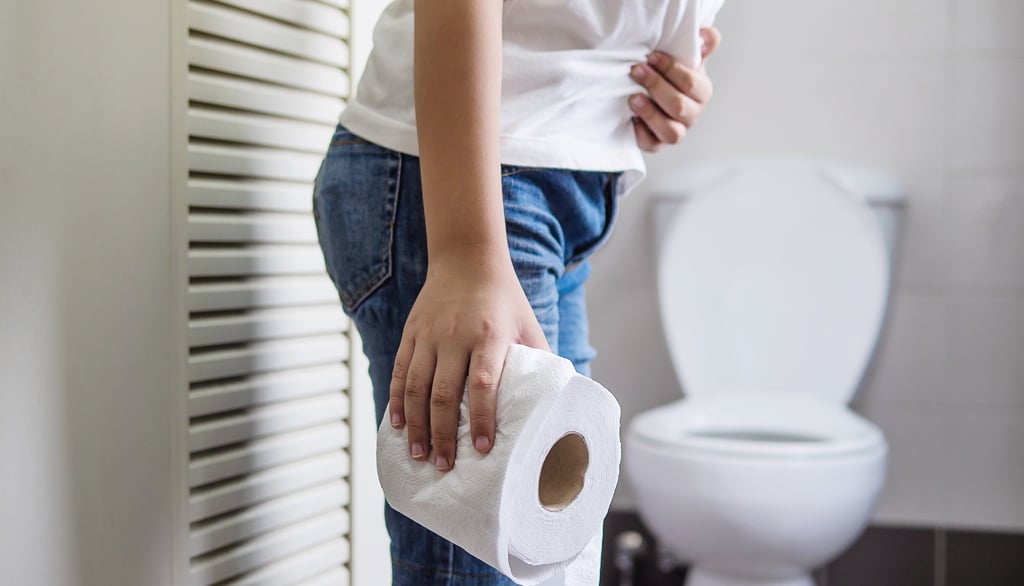
Diarrhea is a problem that can catch anyone by surprise. Although common, it causes significant discomfort, disrupts daily life, and, in some cases, may indicate something more serious. Understanding why it happens and how to act correctly helps relieve symptoms safely and effectively.
Below, you will find clear and accessible information for all ages, with reliable, up-to-date guidance and practical tips to improve the condition quickly.
What is Diarrhea?
Diarrhea occurs when stools become looser and bowel movements become more frequent. This happens because the intestine fails to absorb water properly, resulting in a higher liquid content in the stool.
According to the World Health Organization (WHO), diarrhea is defined as three or more loose or liquid stools within 24 hours (Source: WHO, 2023). This applies to both children and adults.
Although usually mild, diarrhea can cause dehydration, especially in older adults and young children, so it requires attention and proper care.
Common Causes of Diarrhea
Diarrhea can arise from several factors, including:
1. Gastrointestinal Infections
These can be caused by viruses (rotavirus, norovirus), bacteria (Salmonella, E. coli), or parasites. Often, infections occur due to contaminated food or poor hygiene.
The CDC (Centers for Disease Control and Prevention) reports that viral infections are responsible for a large proportion of acute diarrhea cases worldwide (CDC, 2022).
2. Food Poisoning
Spoiled, improperly washed, or poorly stored food can quickly trigger diarrhea, often accompanied by abdominal pain.
3. Antibiotic Use
Certain medications can alter the intestinal flora, increasing intestinal motility.
4. Food Intolerances
Lactose or gluten intolerance can cause diarrhea, gas, abdominal pain, and bloating.
5. Chronic Intestinal Diseases
Irritable bowel syndrome, Crohn’s disease, and ulcerative colitis can lead to recurrent diarrhea.
6. Stress and Anxiety
The gut reacts to emotions. Stressful situations can speed up bowel movements.
Diarrhea with Vomiting: Can It Happen and Why?
Yes, diarrhea accompanied by vomiting is common. This occurs because the entire gastrointestinal tract is irritated, usually due to a viral infection or food poisoning. The body tries to quickly eliminate the offending agent through both the stomach and intestines, which explains why both symptoms appear together.
When diarrhea and vomiting occur simultaneously, the risk of dehydration increases. Therefore, it is essential to maintain hydration with water, oral rehydration solution (ORS), or other suitable beverages.
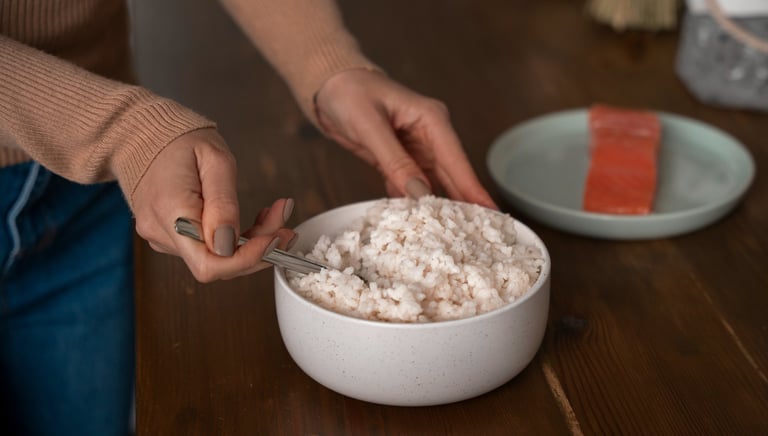
What to Eat When You Have Diarrhea
Proper nutrition is essential for recovery. Certain foods help restore intestinal function, reduce irritation, and replenish lost nutrients.
Best Foods:
White rice – easy to digest and helps firm stools
Boiled potatoes – light carbohydrate, easy on the stomach
Banana – rich in potassium, important for electrolyte replenishment
Peeled apple – contains pectin, which helps regulate the intestine
Toast or saltine crackers – simple, low-fiber foods
Boiled or grilled chicken – light, nutritious protein
Recommended Drinks:
Water
Oral rehydration solution (ORS) – WHO gold standard to prevent dehydration (WHO, 2023)
Coconut water – naturally replenishes electrolytes
Chamomile tea – soothes the digestive system
Avoid During Diarrhea:
Milk and dairy (if intolerant)
Coffee and energy drinks
Fried and fatty foods
Excess sugar
Alcoholic beverages
Highly spicy foods
Home Remedy to Stop Diarrhea Quickly
A simple and safe method is the homemade oral rehydration solution, which helps replace lost water and electrolytes, relieving symptoms:
Homemade ORS Recipe
1 liter of filtered or boiled water
1 level tablespoon of sugar
1 level teaspoon of salt
Mix well and sip throughout the day. This solution helps prevent dehydration and improves overall comfort.
Guava Leaf Tea
Guava leaves contain tannins, which have a natural astringent effect that helps reduce bowel movement frequency (Brazilian Journal of Medicinal Plants, 2021).
Boil 10 guava leaves in 1 liter of water for 10 minutes
Strain and drink warm throughout the day
This tea is a useful complement but does not replace hydration with ORS.
When to See a Doctor
Seek medical attention if you have:
Signs of dehydration (dry mouth, dizziness, dark urine)
Blood in stools
Persistent high fever
Diarrhea lasting more than 3 days
Continuous vomiting
Symptoms in babies, older adults, or immunocompromised individuals
In these cases, professional evaluation is essential to prevent complications.
Conclusion: Take Care of Your Gut Now and Improve Your Health
Diarrhea can be uncomfortable, but with the right care, you can reduce symptoms quickly and restore your body’s balance. Simple actions — proper hydration, light diet, and attention to your body’s signals — make a big difference.
Improving gut health starts with small choices. Change your habits, eat better, stay hydrated, and take care of your body. Your daily well-being will thank you.
Thank you for reading. Take care and see you next time! 👋
ESCOLHA MAST
Escolha Mast is an informative website that publishes blog posts and also promotes products that can help you in your quest for health and well-being.
CONTACT INFORMATION
Email: escolhamast@gmail.com
Phone: +55 068 99981-0331
© 2025. All rights reserved to Escolha Mast.
Choose to live well!