
Morning Sleep vs. Night Sleep: The Scientific Truth That Explains Why You Rest Better in the Dark
Discover the scientific difference between morning and night sleep, understand your circadian rhythm, and learn how to improve your sleep quality and overall health.
DORMIR
Escolha Mast
2/28/20262 min read


Have you ever noticed that sleeping at night feels more restorative than sleeping in the morning? That sensation is not just perception. It is grounded in solid biology.
Understanding this difference can transform your energy levels, mood, and long-term health.
Your Biological Clock: You Were Designed to Sleep at Night
Your body operates on approximately 24-hour cycles called the circadian rhythm. This internal system regulates sleep, hormones, body temperature, and alertness.
Light is the primary regulator of this cycle. When it gets dark, the brain releases melatonin, a hormone essential for initiating and maintaining sleep.
According to the Sleep Foundation (2024), melatonin production naturally increases at night and is suppressed by light — including early morning sunlight.
That is why sleeping in darkness promotes deeper and more continuous rest.
Why Night Sleep Is More Restorative
1️⃣ Melatonin at Its Natural Peak
Between 2 a.m. and 4 a.m., melatonin reaches its physiological peak. Sleeping during this window supports cellular repair and hormonal balance.
2️⃣ Better Sleep Architecture
Sleep occurs in cycles that include deep sleep (physical restoration) and REM sleep (memory and emotional processing). At night, these cycles occur in a more synchronized and efficient pattern.
According to the National Sleep Foundation (2023), nighttime sleep promotes a healthier distribution of these stages.
3️⃣ Naturally Lower Cortisol
Cortisol, often called the “alertness hormone,” begins rising toward dawn. Attempting to sleep while cortisol is increasing biologically results in lighter, more fragmented rest.
Why Is It Difficult to Sleep in the Morning?
If you have ever tried to sleep after staying up all night, you may have experienced:
Light, shallow sleep
Frequent awakenings
Waking up still feeling tired
This happens because:
Sunlight suppresses melatonin
Body temperature is rising
Cortisol levels are increasing
In other words, you are trying to sleep while your body is preparing to wake up.
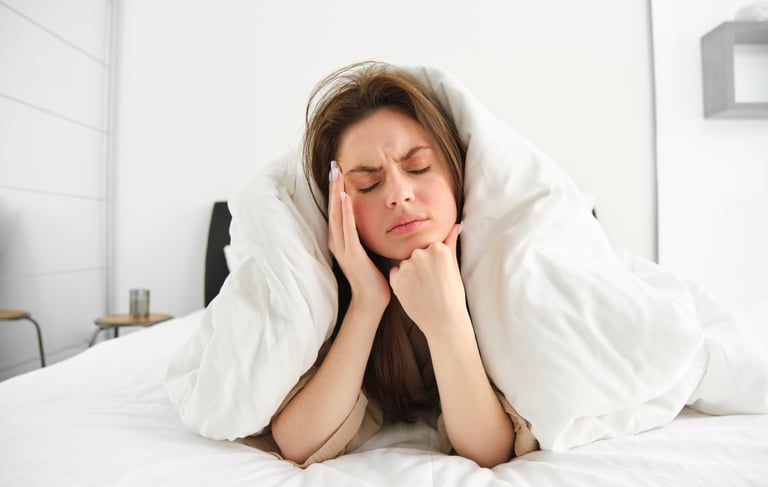

Health Impact of Inadequate Sleep
Sleeping fewer than 7 hours per night is associated with higher risks of cardiovascular disease, obesity, and type 2 diabetes, according to the Centers for Disease Control and Prevention (2024).
Additionally, the World Health Organization (2023) highlights that chronic sleep deprivation negatively affects mental health, productivity, and overall safety.
Timing matters. And it matters significantly.
What If You Must Sleep During the Day?
Sometimes you do not have a choice. Night-shift professionals experience genuine biological misalignment.
To reduce the impact:
Use blackout curtains
Minimize light exposure before sleep
Maintain a consistent schedule
Keep the room temperature between 18–22 °C (64–72 °F)
Avoid caffeine several hours before sleeping
Even with these measures, daytime sleep rarely reaches the same restorative quality as nighttime sleep.
A Reassuring Truth
If you struggle to sleep well in the morning, it does not mean something is wrong with you. It simply means your body is functioning as designed. You were biologically programmed to sleep in darkness and wake with light. Respecting this rhythm is a powerful act of self-care.
Conclusion: Sleeping Well Is a Life Strategy
Nighttime sleep provides:
Better physical recovery
Improved hormonal balance
Greater mental clarity
Reduced risk of chronic disease
Start adjusting small habits today. Dim the lights at night. Slow down before bed. Prioritize consistency. Your sleep is a daily investment in your health. Take care of it.
Thank you for reading. May your next night be deeper, calmer, and truly restorative.
ESCOLHA MAST
Escolha Mast is an informative website that publishes blog posts and also promotes products that can help you in your quest for health and well-being.
CONTACT INFORMATION
Email: escolhamast@gmail.com
Phone: +55 068 99981-0331
© 2025. All rights reserved to Escolha Mast.
Choose to live well!