
Uncover Pollen Allergy: Symptoms, Causes, and How to Protect Yourself
Learn about the symptoms and causes of pollen allergy and discover how to protect yourself from this condition that affects many people during spring. A portable air filter can help significantly.
DOENÇA
Escolha Mast
5/17/20262 min read


Introduction to the World of Allergies
Today, pollen allergies remain a challenge for millions of people around the world. With climate change and pollution, the incidence of these allergic reactions tends to increase, highlighting the need for greater awareness about this important issue.
What Causes Pollen Allergy?
A pollen allergy is essentially an immune system response to particles that would normally be harmless. The main types of pollen that trigger these reactions include pollen from plants such as grasses, trees, and weeds. These grains are released during spring and early summer and are especially problematic in urban areas, where air pollution can intensify symptoms.
Symptoms such as sneezing, itchy eyes, and nasal congestion can become constant, affecting quality of life. In more severe cases, vehicle smoke and pollution may lead to bronchospasms and respiratory problems in people who are already sensitive.
How to Recognize and Treat Pollen Allergy
Recognizing the symptoms is the first step. The most common include:
Respiratory symptoms (sneezing, coughing, nasal congestion)
Itchy and red eyes
Fatigue and tiredness
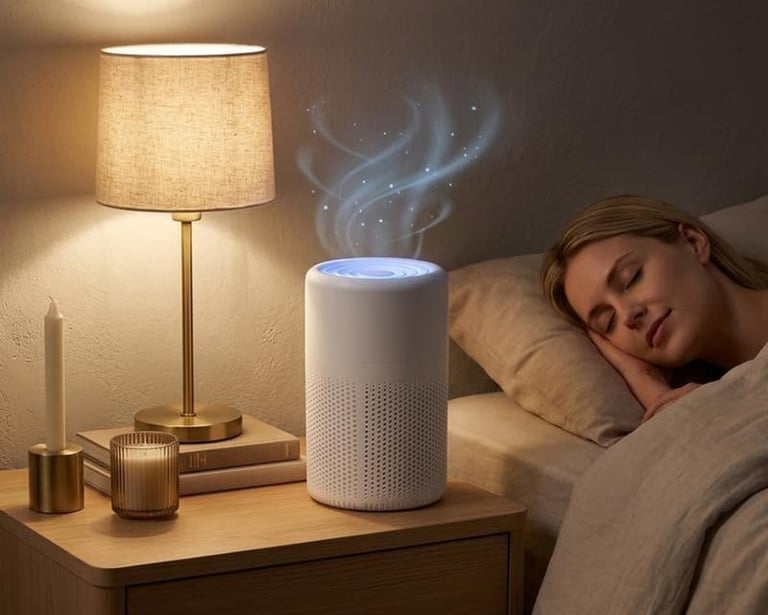
Treatment usually involves the use of antihistamines and nasal sprays. In addition, for those seeking a practical solution, it is possible to find a HEPA air filter on Amazon, which can help improve indoor air quality by reducing the amount of allergens present.
How to Prevent Pollen Allergy
Preventing exposure to pollen is essential. Some effective tips include:
Avoid going outside during peak pollen times, especially on windy days.
Use window filters during spring to reduce pollen entering the home.
Shower and change clothes after returning home.
These simple measures can make a significant difference in quality of life during allergy season.
Final Considerations
Pollen allergy is a common condition, but it does not have to be debilitating. By seeking information, proper treatment, and preventive measures, it is possible to live comfortably even during peak pollen season. Lifestyle changes can result in significant improvements in health and well-being. Thank you for reading, and we hope this post has provided valuable information for you and your family!
ESCOLHA MAST
Escolha Mast is an informative website that publishes blog posts and also promotes products that can help you in your quest for health and well-being.
CONTACT INFORMATION
Email: escolhamast@gmail.com
Phone: +55 068 99981-0331
© 2025. All rights reserved to Escolha Mast.
Choose to live well!